

You will make mistakes as a new parent. That's not a pep talk. It's just true. You'll put the diaper on backwards, forget to burp the baby, and Google "is my newborn breathing" at 3 a.m. while holding a mirror under their nose.
A small number of those mistakes genuinely matter for safety. Most of the rest don't matter at all, no matter how bad they feel in the moment.
The mistakes that actually matter
These are the ones worth getting right. Not because you're a bad parent if you don't, but because the consequences are real and the fixes are simple.
Sleep safety
This is the big one. The AAP's safe sleep guidelines are specific: babies should sleep on their backs, on a firm flat surface, with nothing else in the crib. No blankets, no pillows, no stuffed animals, no bumper pads, no matter how cute the nursery looks on Pinterest.
Room sharing (baby sleeps in your room but in their own crib or bassinet) for at least the first 6 months reduces SIDS risk by up to 50%. Room sharing is not bed sharing. The distinction matters.
The reason this tops the list: most parents know the "back to sleep" rule but still add a lovey or a blanket because the crib looks cold and empty. Resist that urge.
Fever in the first 3 months
If your baby is under 3 months old and has a rectal temperature of 100.4°F (38°C) or higher, call your pediatrician immediately. Under 2 months, go to the ER. This is not "watch and wait." This is not "give them Tylenol and see." A fever in a newborn can signal a serious infection, and the younger the baby, the less equipped their immune system is to fight it.
Premature babies or babies with known health conditions may have different thresholds, so ask your pediatrician at an early visit what their specific guidelines are for your baby.
Most parents don't own a rectal thermometer before they need one. Get one before the baby arrives. Forehead and ear thermometers are fine for older kids but aren't reliable enough for newborns.
Car seat installation
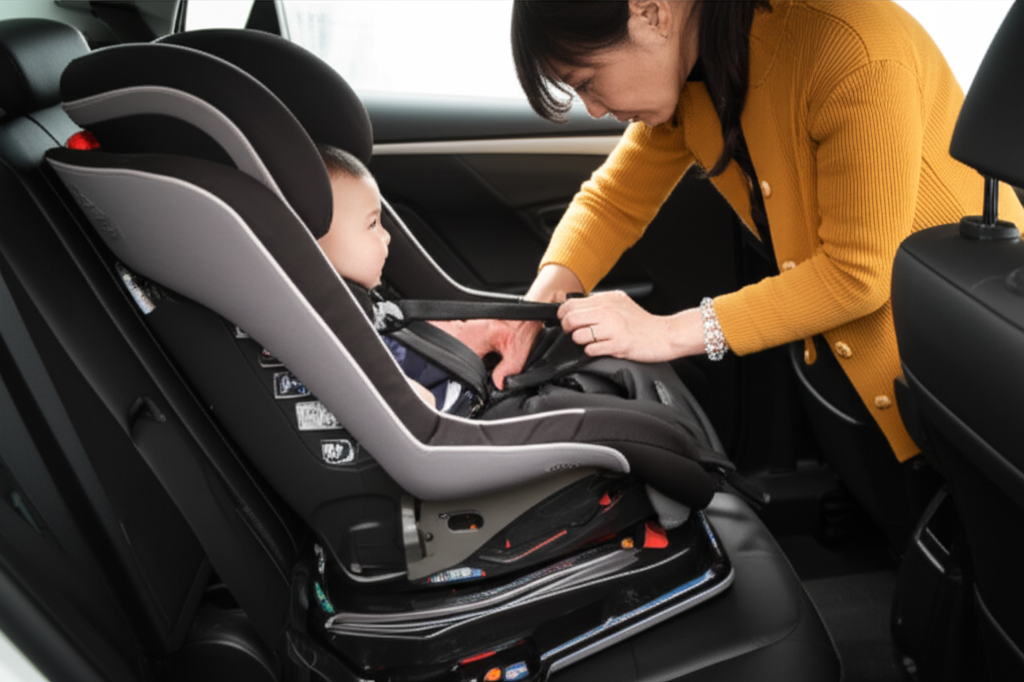
About 46% of car seats are misused in ways that reduce crash protection, according to NHTSA's National Child Restraint Use Special Study. The most common errors: the harness is too loose, the chest clip is too low, or the seat isn't tight enough in the base. Most fire stations and hospitals offer free car seat checks. Use them.
The mistakes that feel terrible but don't matter
Here's where the guilt lives. These are the things that 3 a.m. parenting forums will make you feel awful about, but that actual pediatricians will shrug at.
Not having a schedule
Newborns don't have schedules. They eat when they're hungry, sleep when they're tired, and have no concept of time. Trying to impose a rigid feeding or napping schedule in the first 2 to 3 months is fighting biology. Feed on demand, sleep when you can, and let the rhythm emerge on its own. A pattern usually starts to show up somewhere around 3 to 4 months, but there's no switch that flips.
Supplementing with formula
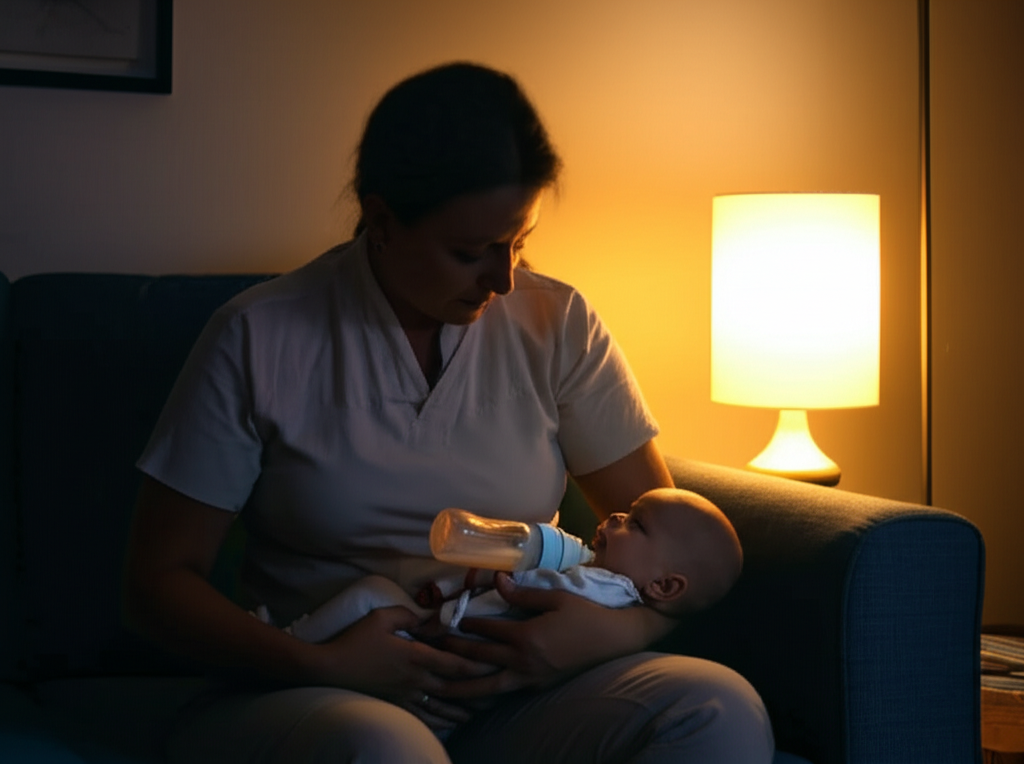
There is an enormous amount of pressure around exclusive breastfeeding, and a lot of parents feel like failures if they use formula. Fed is fed. The AAP recommends breastfeeding for at least six months when possible, but formula is a complete nutritional alternative for most healthy, full-term infants. Plenty of healthy, thriving kids were formula-fed from day one.
If breastfeeding is working and you want to continue, great. If it's not working, or it's destroying your mental health, formula exists for a reason.
Screen time for survival
You put your 4-month-old in front of a screen so you could take a shower. The AAP recommends very limited screen time before 18 months except video calls. But their guidelines also acknowledge that real life is messy. 15 minutes of Bluey so you can eat a meal without holding a baby is not going to cause developmental damage.
Not bonding instantly
Some parents feel an overwhelming rush of love the moment they see their baby. Others feel exhausted, scared, and vaguely confused about whose baby this is. That's not a red flag. Bonding is a process, not a switch. For many parents it takes weeks or months to feel connected. If you're feeding them and keeping them safe, you're bonding. The Hollywood version of instant love is not universal.
The stuff that's just noise
Some parenting "mistakes" exist mostly to sell products or generate content.
Buying the wrong stroller. Your baby doesn't care. Get one that fits in your car and your budget. You can always get a different one later.
Not playing Mozart in the womb. The original 1993 "Mozart effect" study by Rauscher et al. tested college students, not babies, and found a modest, temporary improvement in one spatial reasoning task. It had nothing to do with infant brain development. Responsive caregiving does more for your baby's brain than any playlist.
Skipping baby classes. Baby yoga, baby sign language, baby sensory classes. Great if you enjoy them. Not required for development. Talking to your baby and letting them explore the floor with their hands accomplishes the same things for free.
Using disposable diapers. Cloth diapers are a valid choice for environmental or cost reasons. They are not a moral imperative. The guilt around disposables is manufactured.
The one most parents actually regret
It's not any of the things above. The thing parents consistently say they wish they'd done differently is simpler: they wish they'd written things down.
Not the big milestones. Those get photos and announcements. It's the small stuff that evaporates. The first time the baby grabbed your finger on purpose. The weird sound they made that cracked you up at 2 a.m. The face they made when they tried avocado. Six months later, you can barely remember what they looked like at two weeks.
Aanvi was built for this. Not the milestones you'll remember anyway, but the ones that disappear if you don't write them down that week. A quick note with a photo takes 30 seconds and becomes the thing you're most glad you saved.
Wondering what your first year will actually cost? The First Year Cost Estimator breaks it down by category.