
Twenty items. No craft supplies required. Everything on this list is doable with a tired parent, a baby who may or may not cooperate, and whatever you already have at home.
Experiences
Take them outside during a rainstorm
Not into the rain, just near it. A covered porch, a cracked window. Watch their face the first time they hear it. Some babies are completely unbothered. Some look personally offended.
Let them destroy a piece of food
Around 6 months, hand your baby a banana or a chunk of avocado and just let it happen. Don't intervene. Don't wipe. The smashing, the squishing, the hair situation afterwards. This is sensory play with zero setup.

Take a photo before you clean up, because you won't remember how bad it actually got.
Go swimming
Doesn't need to be a beach trip. A bathtub with an inch of water works for a newborn. A baby pool in the yard works for summer. The first time a baby feels themselves float (even partially), something shifts in their expression. Most community pools run parent-baby swim sessions starting around 4-6 months if you want something more structured.
Record their laugh
An actual, dedicated recording. Not a video where they happen to giggle in the background. The full belly laugh where they're gasping and it goes silent for a second before starting again. Back it up somewhere permanent. Phone recordings get lost.
Read them a book you loved as a kid
They won't understand a word.
Dig out your old copy of Goodnight Moon or The Very Hungry Caterpillar or whatever survived your childhood. Read it out loud. Your voice reading something you care about sounds different than reading whatever board book was on sale, and babies notice cadence long before they notice words.
Milestones worth being in the room for
Catch the first real reach
Somewhere around 3-4 months, your baby will reach for something on purpose for the first time. Not a reflex grab, but an intentional, I-want-that reach. It's easy to miss because it doesn't look dramatic. But it's the first time they decided to interact with the world instead of just staring at it. Put a toy barely out of reach during tummy time and see what happens.
The first roll
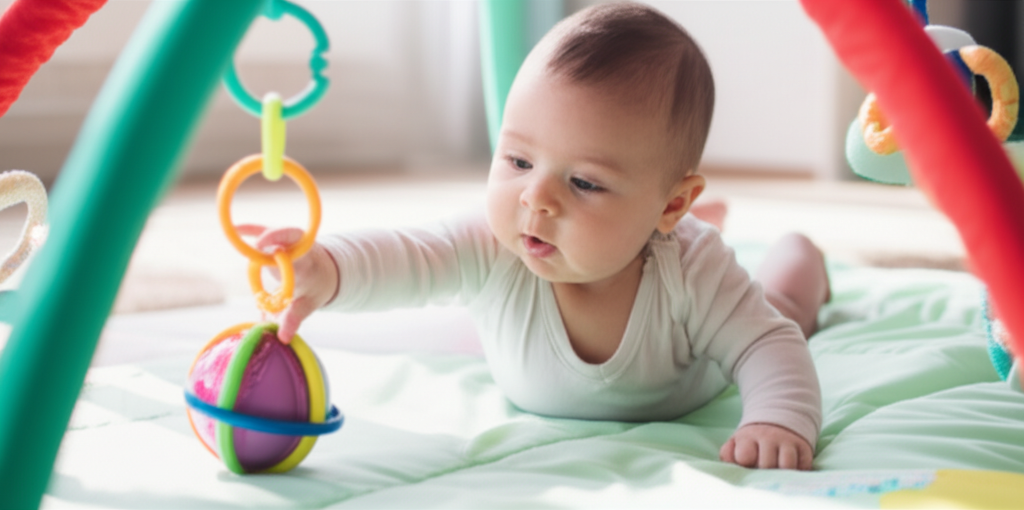
Can't schedule this one. It happens on a random Tuesday while you're folding laundry. Regular tummy time (even 5 minutes, a few times a day) means you'll probably be nearby when it happens. The look of surprise on their face is better than the roll itself.
Pulling up on furniture
When they're ready (usually 8-10 months), resist the urge to help. Let them grab the couch edge and figure it out. The wobbling. The concentration face. The crash back down. Then they try again immediately. It's persistence in its most basic form.
The quiet ones
Fall asleep together in the afternoon
Not at bedtime. A random midday crash on the couch when you're both done. This window closes sooner than you expect. A 3-month-old will sleep on your chest. A 12-month-old has opinions about that.
Sit in silence with them
No music, no toys, no white noise. Just sit on the floor with your baby in a quiet room. Babies are interesting when nothing competes for their attention. They'll stare at dust in a sunbeam for five minutes or study their own hand like they've never seen it before (they basically haven't).
Dance with them at home
Put on whatever you actually listen to. Not baby music. Hold them against your chest and move. You'll figure out their taste in music earlier than you'd expect. Some babies sleep through everything. Some start bouncing before they can even stand.
Documenting it
The same photo, every month
Pick a spot. A chair, a blanket, a stuffed animal for scale. Same photo, same day each month. The comparison at 12 months is wild. The hard part isn't the photo itself, it's remembering to do it on time.
One sentence per week
"She grabbed the dog's ear and didn't let go for four minutes." "He ate sweet potato and looked betrayed." "Slept through the night for the first time and I woke up in a panic anyway."
Fifty-two sentences at the end of the year. That's a better record of what actually happened than most baby books ever manage.
Save a voicemail
If a grandparent or close friend leaves a voicemail about the baby, save it somewhere that isn't just your phone. People's voices are the thing you forget fastest, and this becomes more true over time.
Getting out of the house
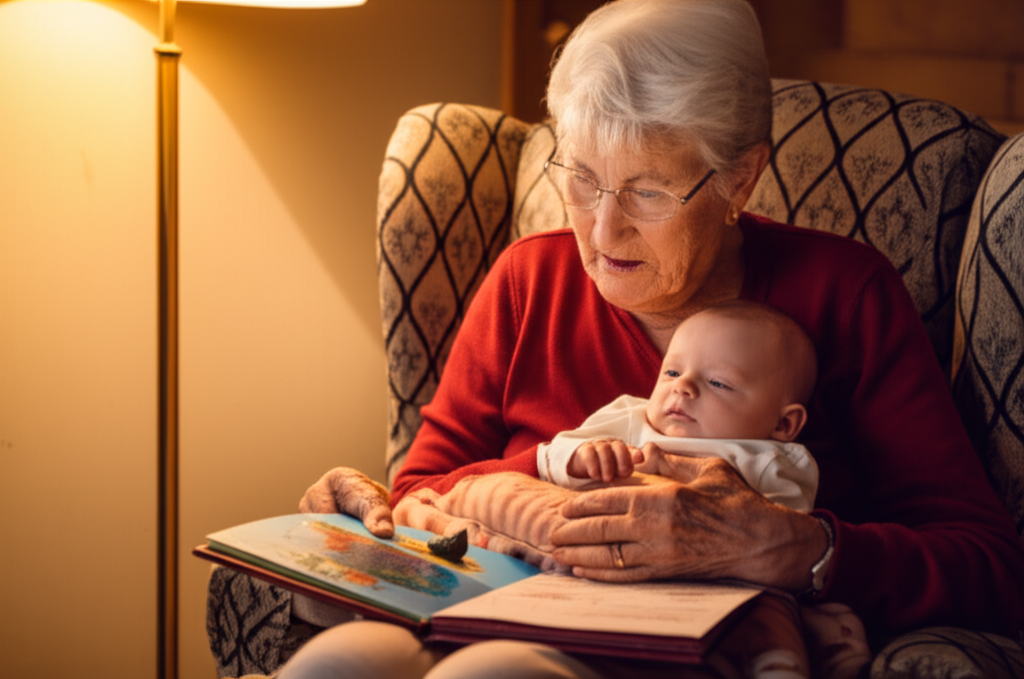
Let a grandparent do bedtime
If grandparents are nearby or visiting, hand it over at least once. They read stories differently. Slower. More dramatic on the voices. Your baby gets a new experience, and you get an evening off. Both matter.
Go somewhere with other babies
Library story time, a park playgroup, a baby music class.
Your 4-month-old won't "play" with other babies. They'll stare at them with unsettling intensity. But you'll meet other parents running on the same amount of sleep, and that's worth something.
A restaurant, while you still can
Do it before they're mobile. A 3-month-old in a car seat at a restaurant is manageable. A 10-month-old throwing pasta at neighboring tables is a different outing entirely. Go to lunch, pick somewhere loud, eat fast.
The silly ones that aren't silly
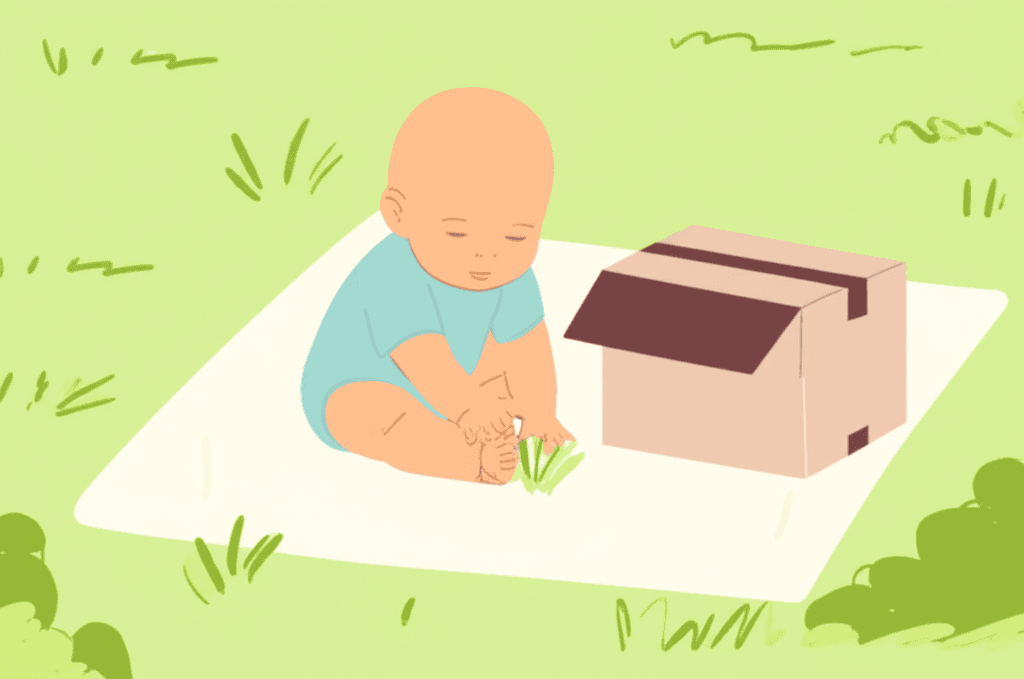
Touch grass
Put them on a blanket outside, then let a hand reach the grass. Some babies grab it immediately. Some pull their hand back like it burns. The reaction is completely unpredictable.
A cardboard box
Hand your baby a box bigger than they are. Stand back. Boxes outperform 90% of real baby toys. Every parent discovers this independently and is mildly annoyed they spent money on anything else.
A mirror
Babies under 6 months don't know it's them. They think it's another baby, and the social smile they give their own reflection is one of the funniest things you'll witness. Around 12-18 months they start figuring it out, and something more complicated replaces the friendliness.
That's the list
Everything above is optional. The only entry that actually matters is just being in the room when things happen, even when what happens is another regular afternoon of tummy time and mashed peas.
If you're looking for a way to keep track of milestones and the memories around them without maintaining a physical baby book, Aanvi puts both in one timeline.
You could also check how your baby's development is tracking with our Milestone Tracker, or look at what daycare might cost in your state while you're planning the year ahead.